Knowledge Is Power: How Early Detection Can Transform Alzheimer’s Care
New tools and evidence can empower early action against Alzheimer’s before symptoms strike
Time is of the essence, particularly for those with cognitive conditions. The loss of telehealth flexibilities, combined with disruptions to Medicaid, could have devastating consequences for millions of patients with dementia and other cognitive and behavioral conditions.
Injectable Leqembi permits weekly maintenance dosing of the Eisai and Biogen Alzheimer’s disease drug that may be done at a patient’s home. Other recent notable regulatory news includes several rare disease drug approvals and narrower FDA nods for Covid-19 vaccines.
Isaac Health, a startup specializing in cognitive care for Alzheimer’s dementia , raised $10.5 million in Series A funding to expand nationwide access to its platform. The company partners with health plans to provide screening, specialist diagnosis, treatment, and ongoing management aimed at slowing cognitive decline.
The Alzheimer’s disease drugs that have reached the market in the past two years are antibodies designed to break up amyloid plaques. Vigil Neuroscience brings to Sanofi a different approach: an oral small molecule designed to activate microglia, immune cells that play a key role in brain health.
Fujirebio Diagnostics’ blood test for Alzheimer’s disease offers a less expensive and less invasive alternative compared to medical imaging and tests of cerebrospinal fluid. But competition looms from blood-based tests in development by other diagnostics companies.
By shifting the focus for consumers earlier in the care continuum, AI has the potential to play a transformative role in prevention and personalized health solutions-particularly for health conditions that impact hundreds of millions of people worldwide.
Alzheon hoped testing its drug in a genetically defined subgroup of Alzheimer’s disease patients would succeed, overcoming earlier clinical trial failures. Instead, preliminary results show the pill failed to outdistance a placebo.
GSK is licensing an ABL Bio technology that yields bispecific antibodies engineered to leverage a certain transmembrane receptor to cross the blood-brain barrier to treat neurodegeneration. GSK is already partnered with Alector, which has monoclonal antibodies in clinical development for Alzheimer’s disease.
As the pool of approved therapies continues to (hopefully) expand, the clinical and diagnostic testing communities need to do a better job at ensuring the right patients move through this journey more quickly – and accurately – to improve their health and prognosis.
While advancements in diagnostics are promising, the need remains for healthcare professionals to take the lead on proactive conversations with patients and their loved ones about the early signs and symptoms of Alzheimer’s disease.
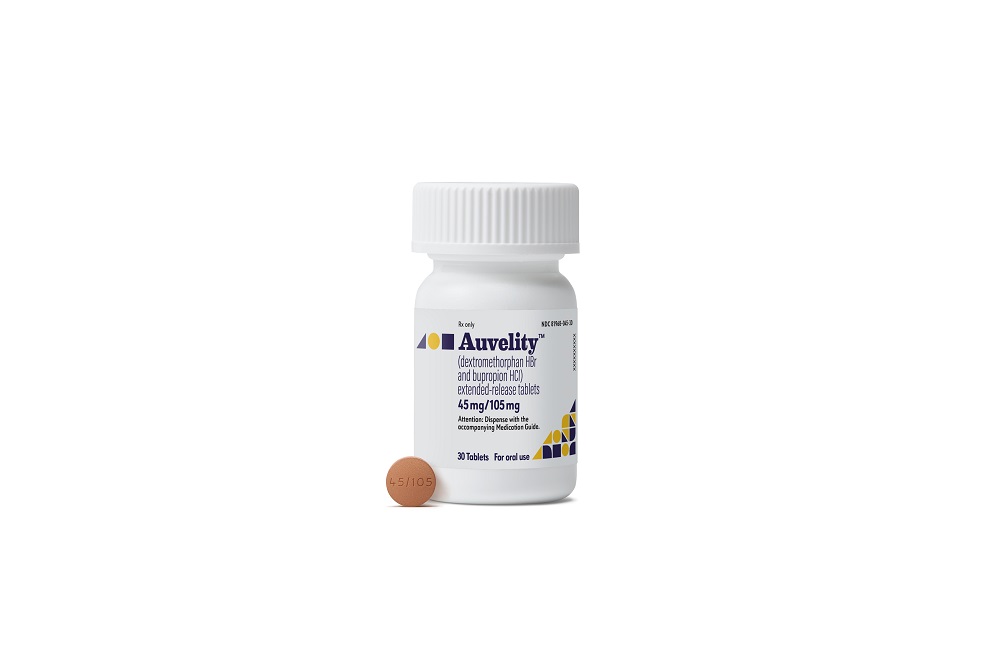
One Phase 3 test of Auvelity met its main goal in Alzheimer’s agitation while the drug’s other pivotal trial showed numerical improvement that fell short of statistical significance. Axsome Therapeutics aims to offer an alternative to Rexulti, a Lundbeck and Otsuka Pharmaceutical product that is the only FDA-approved Alzheimer’s agitation drug.
Early diagnosis through blood tests buys invaluable time – for patients and their families to plan, seek support, make informed decisions about their difficult care journey and, perhaps most importantly, be together.
The vast majority of older adults want to age at home. To support that goal, doctors should encourage them to consider their care options — long before they need assistance.
Aliada brings AbbVie an early clinical Alzheimer’s disease drug candidate as well as the platform technology that produced it. Aliada licensed its brain delivery technology from Johnson & Johnson.